Renovation 203(k)
For the 1950s ranch in the North Valley with a failed roof and original wiring. A renovation loan lends against what the house will be worth after the work, and holds the repair money in escrow while the contractor draws against it.
- Two versions
- Limited 203(k) and standard 203(k)
- Down payment
- 3.5% FHA, or 5% on the conventional equivalents
- Appraisal basis
- Subject-to-completion value
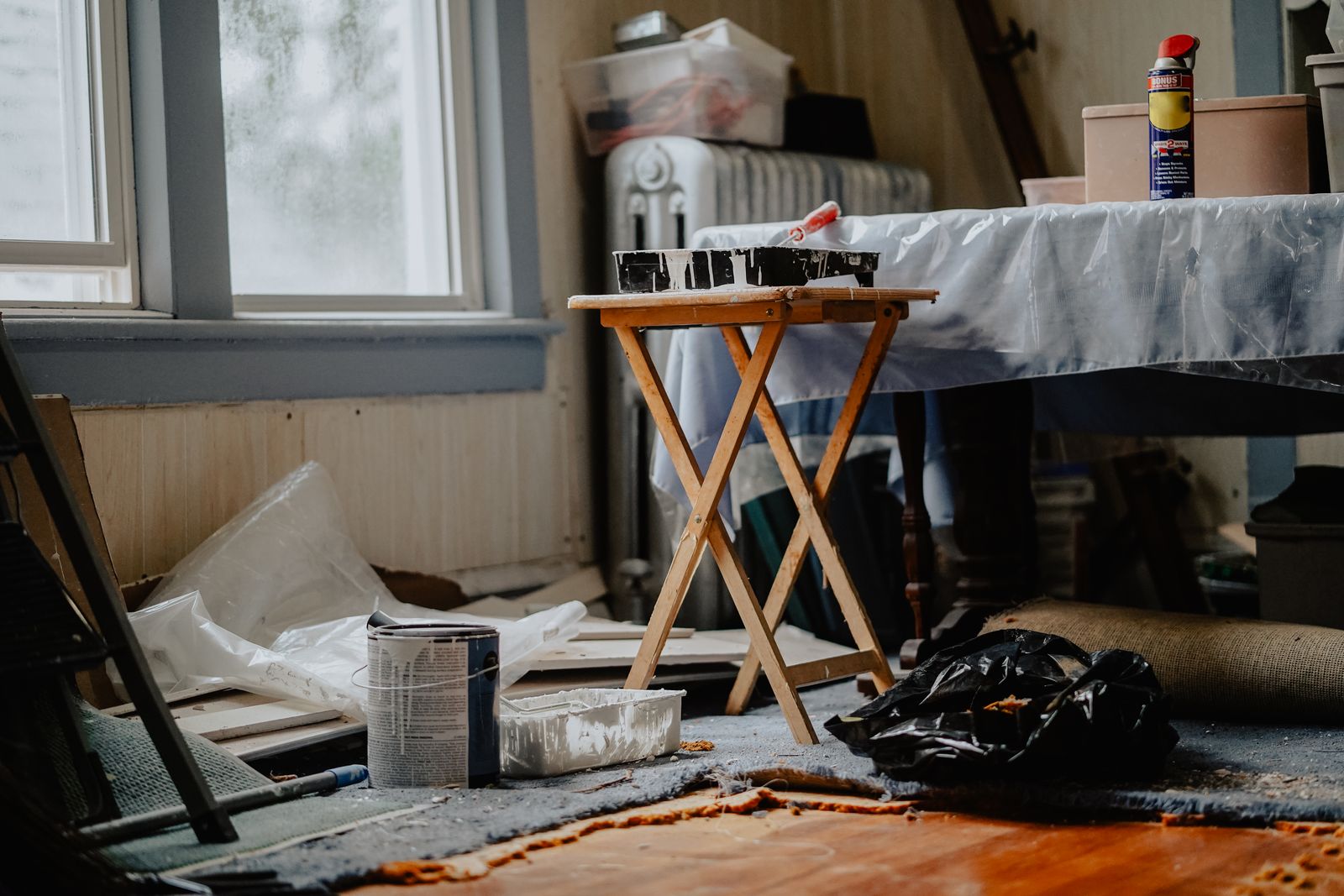
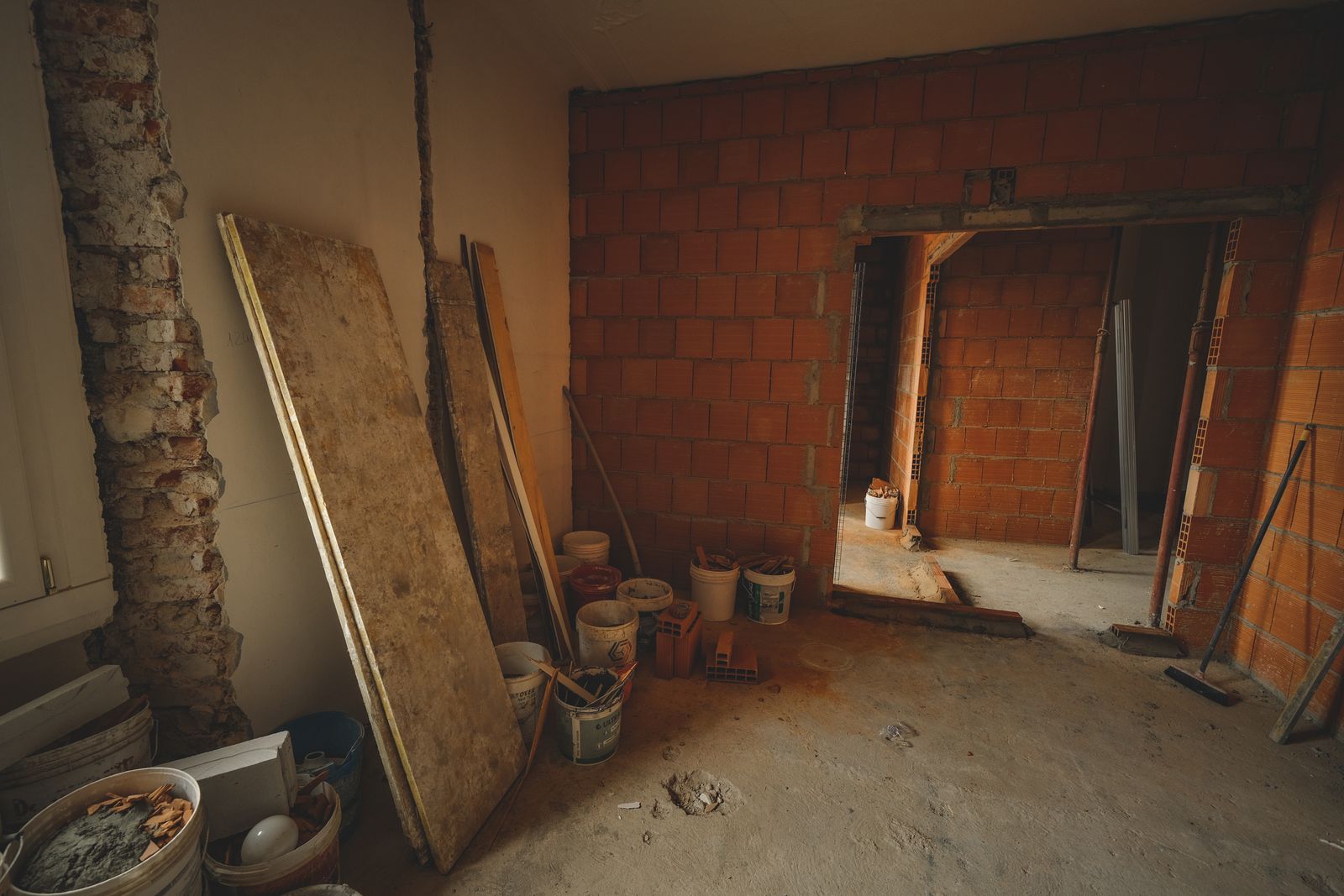
What this program actually is
There are two versions. The limited 203(k) covers cosmetic and moderate work up to a published ceiling with no structural changes and no HUD consultant required. The standard 203(k) has no ceiling below the county loan limit, allows structural work, and requires a HUD consultant who writes the work write-up and signs off each draw.
The agencies have their own equivalents, and for borrowers with stronger credit the conventional renovation products often price better while allowing luxury items that FHA will not finance, such as a pool.
The real work in a renovation loan is the contractor package. License, insurance, references, a line-item bid that matches the consultant's write-up, and a willingness to be paid in draws after inspection. We keep a short list of Albuquerque contractors who have been through this process before, because a contractor who has not will slow the file to a crawl.
- Two versions
- Limited 203(k) and standard 203(k)
- Down payment
- 3.5% FHA, or 5% on the conventional equivalents
- Appraisal basis
- Subject-to-completion value
- Contingency reserve
- 10% to 20% of the repair budget, held back
- Consultant
- Required on the standard version
What you get from us on this program
- A feasibility read on the property before you write the offer
- Introductions to contractors who have completed draw-based renovation loans here before
- Coordination of the consultant write-up and the contractor bid so they match
- Draw schedule management, including inspection scheduling
- A comparison against FHA 203(k), the conventional renovation equivalents and a cash-out refinance after purchase
How the file runs
- 01
Scope and feasibility
We look at the house and the wish list and say honestly whether this is the right loan.
- 02
Contractor and consultant
Bids and the work write-up are aligned before underwriting sees them.
- 03
Subject-to appraisal
Ordered against the plans and specifications, not the current condition.
- 04
Close and fund escrow
Repair funds move into the renovation escrow account at closing.
- 05
Draws and completion
Inspections, draws and the final certificate managed through to release.
What moves your pricing on this program
These are the inputs an underwriter and a rate sheet actually react to. Nothing on this page is a quote.
| Factor | Why it matters |
|---|---|
| Scope of work | Structural work forces the standard version |
| Contractor readiness | Licensing, insurance and draw experience |
| After-improved value | Comparable sales have to support the finished product |
| Contingency | Held back for the surprises older homes always produce |
| Timeline | Expect a longer escrow than a standard purchase |
All rates, APRs, payments, fees and timelines referenced on this site are sample figures for illustration only. They are not an offer of credit and not a commitment to lend. Equal Housing Opportunity.
Often compared with

Renovation 203(k) questions
Not covered here? Call (505) 555-0135 or send us a note. Se habla español.
Generally no. Self-help is allowed only in narrow circumstances and requires documented trade qualification, so almost every file uses a licensed contractor.
Not with FHA 203(k). Some conventional renovation products do allow it, which is often the reason to choose one.
With an experienced contractor and a responsive consultant, typically five to ten business days per draw on our panel lenders.