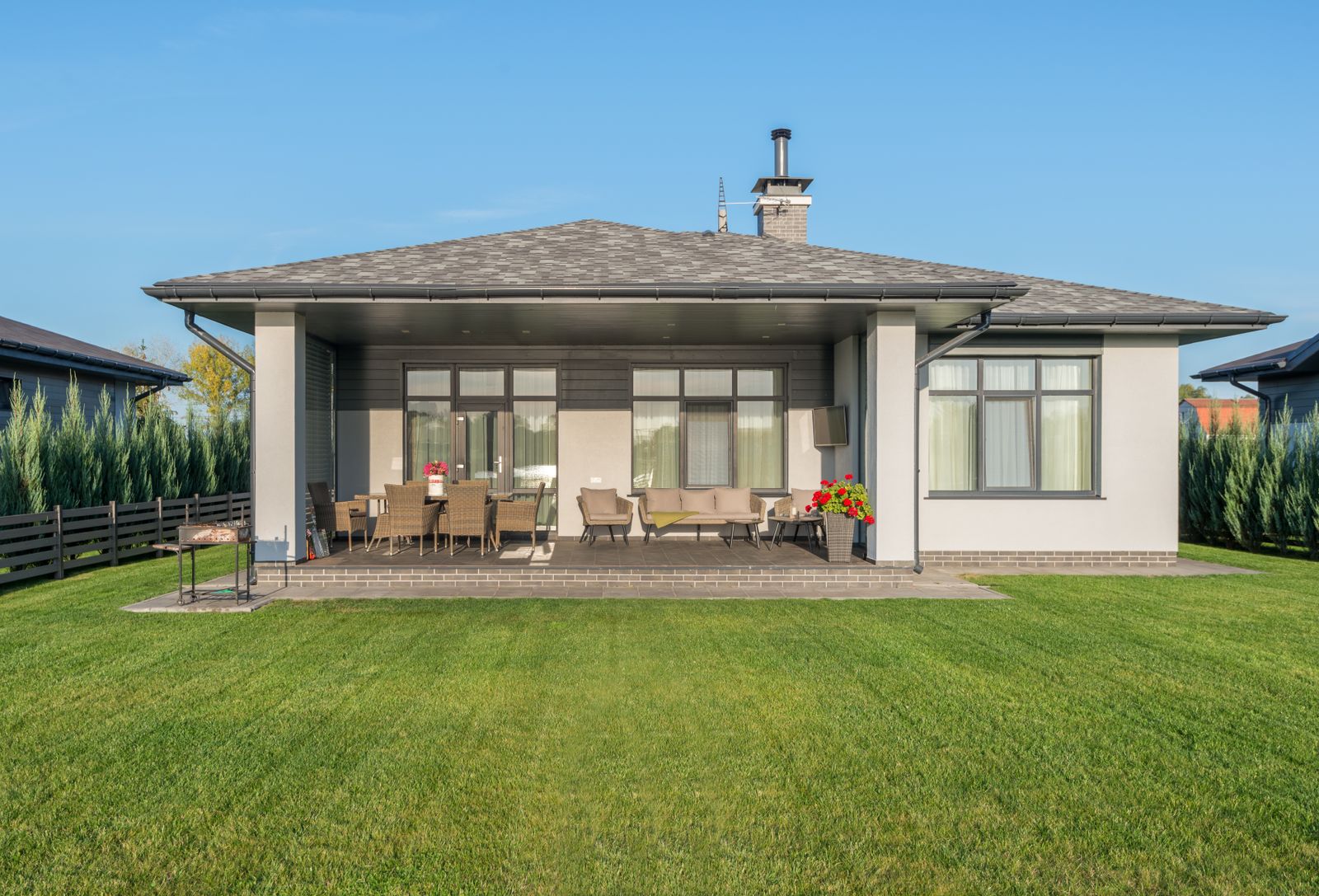






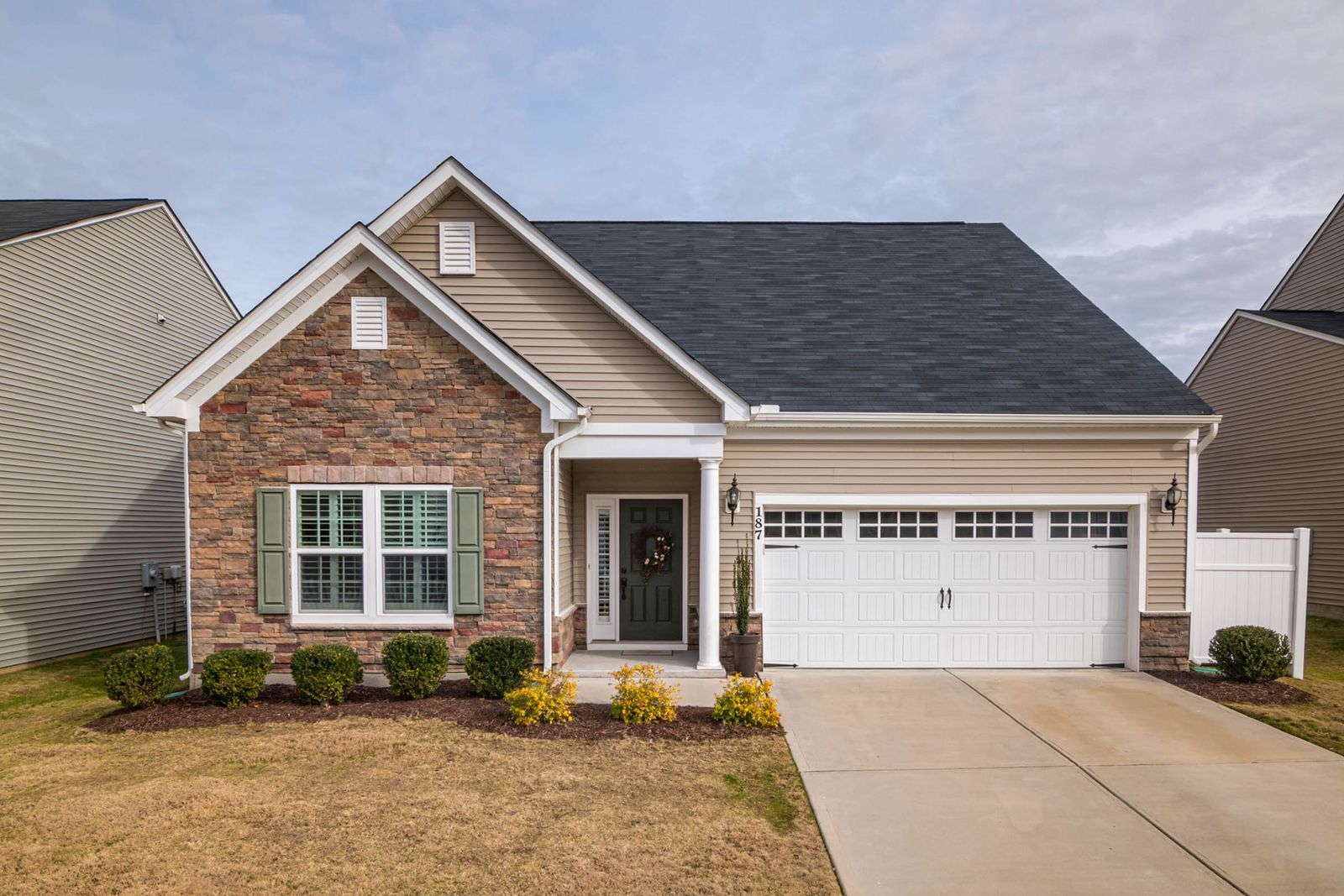
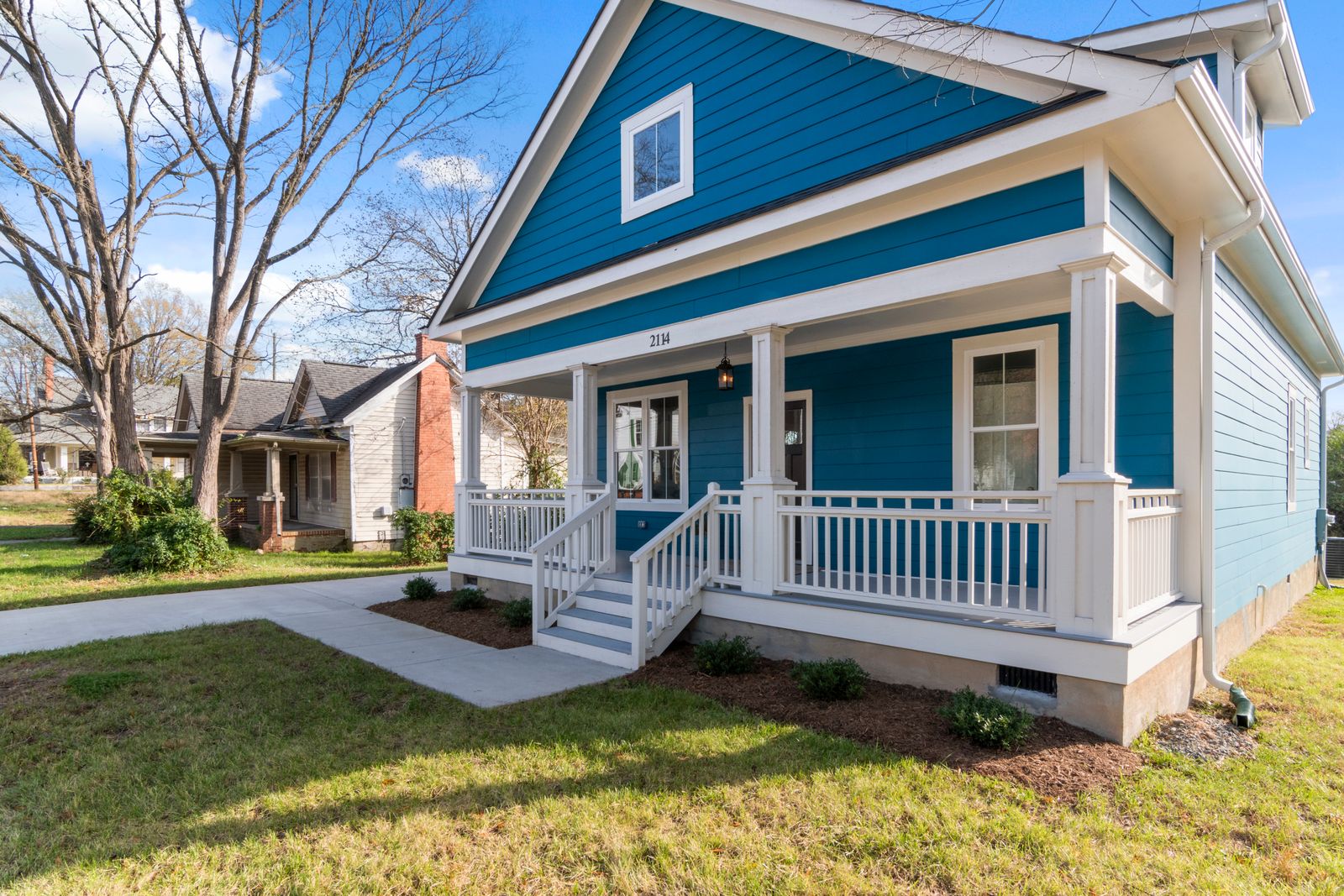



A home on a quiet Albuquerque street on a bright afternoon

Independent brokers. Not a lender.

Twenty-four lenders. One of them says yes to your file.

A bank measures you against one rulebook. We measure the same file against every wholesale lender on our panel, then hand you the comparison in writing. Albuquerque, Rio Rancho, Santa Fe and the corridor.

  • 4.9 from 312 reviews
  • 24 wholesale lenders
  • Se habla español
  • (505) 555-0135
  • Independent brokerageNot a lender, not a bank
  • Wholesale relationships24 lenders on panel
  • LicensingNMLS #0000000 (placeholder)
  • Fair housingEqual Housing Opportunity
  • LanguageSe habla español
  • AssociationAAMB member (demo)
Agency correspondent: Delivers direct to Fannie Mae and Freddie Mac
Agency correspondent deskAgency correspondentDelivers direct to Fannie Mae and Freddie Mac
Government specialist: FHA, VA and USDA focused wholesale lender
Government loan deskGovernment specialistFHA, VA and USDA focused wholesale lender
Regional portfolio bank: Keeps loans on its own balance sheet
Portfolio lending deskRegional portfolio bankKeeps loans on its own balance sheet
Non-QM investor: Bank statement, DSCR, asset depletion and 1099-only
Non-QM underwriting deskNon-QM investorBank statement, DSCR, asset depletion and 1099-only
Jumbo investor: Above the county conforming limit
Jumbo investor deskJumbo investorAbove the county conforming limit
Renovation desk: 203(k) and conventional renovation products
Renovation lending deskRenovation desk203(k) and conventional renovation products
Conventional conforming: Agency financing from 3% down with mortgage insurance you can remove.
Loan programConventional conformingAgency financing from 3% down with mortgage insurance you can remove.
FHA 203(b): 3.5% down with room for a thinner credit profile and gift funds.
Loan programFHA 203(b)3.5% down with room for a thinner credit profile and gift funds.
VA purchase: Zero down, no monthly mortgage insurance, for eligible service members and spouses.
Loan programVA purchaseZero down, no monthly mortgage insurance, for eligible service members and spouses.
USDA rural development: No down payment in eligible tracts outside the metro core.
Loan programUSDA rural developmentNo down payment in eligible tracts outside the metro core.
Jumbo and high balance: Above the county conforming limit, with a different underwriting culture.
Loan programJumbo and high balanceAbove the county conforming limit, with a different underwriting culture.
Bank statement (self-employed): Qualify on 12 or 24 months of business deposits instead of tax returns.
Loan programBank statement (self-employed)Qualify on 12 or 24 months of business deposits instead of tax returns.
DSCR investment: Underwritten on the property's rent, not your personal income.
Loan programDSCR investmentUnderwritten on the property's rent, not your personal income.
Renovation 203(k): Finance the purchase and the repair budget in one loan.
Loan programRenovation 203(k)Finance the purchase and the repair budget in one loan.

A bank has one rulebook. We keep twenty-four.

These are the six desks that do most of the work on our panel. Their rate sheets rarely differ by more than an eighth. Their guidelines differ by whole categories of borrower, and that is the part that decides whether you are approved.

Deepest mortgage insurance relationships on the panel, which is where a conventional loan with less than 20% down is actually won or lost.

Credit floor
620 mid-FICO
Underwriting turn time
Initial underwriting in 24 to 48 hours (sample)

Their overlays

  • Follows agency automated findings with almost no added conditions
  • Will not accept a manual underwrite
  • Condo project review is strict on investor concentration

Best placed here

  • Conventional purchase under 20% down
  • Buyers with a 700+ mid-FICO
  • Appraisal waiver candidates

The file needs a human to read a story. This desk follows the engine.

Publishes the lowest credit overlays on our panel and keeps VA and USDA underwriters in-house rather than outsourcing them.

Credit floor
580 mid-FICO on FHA
Underwriting turn time
Initial underwriting in 48 to 72 hours (sample)

Their overlays

  • FHA down to 580 with documented compensating factors
  • Manual underwrites accepted on FHA and VA
  • Requires two months of reserves below a 620 mid-FICO

Best placed here

  • FHA at lower credit tiers
  • VA files with entitlement complications
  • USDA, where few lenders keep a desk

You need a jumbo or anything non-QM. They do not offer it.

Because nothing is sold, an underwriter can exercise judgement. This is where a file with an unusual but explainable story gets approved.

Credit floor
660 mid-FICO
Underwriting turn time
Initial underwriting in 5 to 7 business days (sample)

Their overlays

  • Relationship pricing for borrowers who move deposits over
  • Wants a full two-year employment narrative, not just paystubs
  • Slower on appraisal review

Best placed here

  • Unique or rural properties with thin comparables
  • Borrowers with complex but documented income
  • Small acreage

The contract has a 21-day close. This desk is thorough rather than fast.

Accepts a CPA-prepared expense statement rather than forcing a fixed 50% expense factor, which can change qualifying income by thousands a month.

Credit floor
660 mid-FICO, best pricing at 720
Underwriting turn time
Initial underwriting in 3 to 5 business days (sample)

Their overlays

  • Large deposits above 50% of the monthly average must be sourced
  • Prepayment penalty standard on investment property
  • Minimum two years in business, with narrow exceptions

Best placed here

  • Self-employed borrowers with heavy write-offs
  • Investors buying in an LLC
  • Contract and commission income under two years

You qualify on tax returns. Agency financing will always be cheaper.

Counts retirement and brokerage assets toward reserves at a lighter haircut than the rest of the panel, and will go to 10% down with strong credit.

Credit floor
700 mid-FICO
Underwriting turn time
Initial underwriting in 3 to 4 business days (sample)

Their overlays

  • Six to twelve months of post-closing reserves
  • Second appraisal above a published loan amount threshold
  • Gift funds limited on the down payment portion

Best placed here

  • High Desert, Tanoan and Santa Fe purchases
  • Borrowers with strong liquidity
  • Interest-only and 10/6 ARM structures

Reserves are thin. Nothing else compensates for that on a jumbo file.

Runs draw inspections in five to ten business days, which is the number your contractor actually cares about.

Credit floor
640 mid-FICO
Underwriting turn time
Initial underwriting in 4 to 6 business days (sample)

Their overlays

  • Contractor must submit license, insurance and two references
  • Contingency reserve of 10% to 20% of the repair budget
  • Consultant required on any structural scope

Best placed here

  • North Valley and Nob Hill older stock
  • Buyers who want to finance the roof and the wiring
  • Conventional renovation with luxury items

The work is cosmetic and small. A personal loan after closing is simpler.

How we choose between them, file by file

Broker, bank, or the lender advertising on the radio

All three can write you a mortgage. They differ on who chooses the rulebook, who you speak to in week three, and what happens when your file does not fit neatly.

How an independent brokerage compares with a bank and a direct-to-consumer lender
The questionIndependent brokerRetail bankDirect-to-consumer lender
How many sets of guidelines can your file be measured against?Every lender on the panel, currently 24 wholesale relationshipsOne. Theirs.One, plus whatever their capital markets desk allows that week
Who decides which loan program you are offered?You do, after seeing the same scenario priced by three to five lendersThe loan officer, from the products that bank sellsAn algorithm, from the products that lender sells
What happens when the file has an unusual story?It moves to a lender whose overlays fit the storyIt is declined, or it waits for an exception requestIt is declined by the engine, usually without a reason you can act on
Who pays the originator?Disclosed on the Loan Estimate as either lender-paid or borrower-paid compensationBuilt into the rate, not itemizedBuilt into the rate, not itemized
Who do you call in week three when underwriting asks for something?The same person who took your applicationA processing center, often in another stateA portal message queue
Can the file move lenders if pricing or service goes wrong?Yes, and we have done it mid-process when a lock expired badlyNo. Start again elsewhere.No
Who orders and manages the appraisal?An appraisal management company through the chosen lender, with us chasing itThe bank's panel, on the bank's timelineThe lender's panel, tracked through a portal
What does it cost you to compare?Nothing. One credit pull covers all panel quotes within the shopping windowA separate application at each bankA separate application at each lender

See the panel we actually place files with

Twelve weeks of credit work, in the order that works

Almost every one of these actions only helps if it happens before a hard pull and before a statement date. Run them out of order and you spend the money without moving the score.

120 days out

Pull your own reports and dispute what is wrong

Disputes take 30 days by law and often run longer in practice, so this is the only window where a genuine error can be removed before you apply.

  • Pull all three bureaus from the free federal site, not from a monitoring app
  • Dispute duplicated collections, wrong balances and accounts that are not yours
  • Ask a family member with a long, clean revolving account to add you as an authorised user

Do not dispute a legitimate debt. An account flagged as disputed can stall an automated approval until the flag is removed.

A removed duplicate collection can move a mid-FICO by 10 to 25 points (sample range).

Step 1 of 7


90 days out

Stop opening anything

New tradelines shorten your average account age and add inquiries. Both are scored, and both take months to recover from.

  • No new credit cards, store cards, car loans or buy-now-pay-later accounts
  • No co-signing for anybody, including family
  • If you need a new vehicle, buy it now or wait until after closing, never during

Do not close old cards to tidy up. Closing an old account removes its history and its available limit at the same time.

Avoiding a single new auto loan can preserve 10 to 20 points and roughly 1% of debt-to-income capacity (sample).

Step 2 of 7

60 days out

Get every card under 30% utilization

Utilization is roughly 30% of a FICO score and it is the fastest lever you have. What matters is the balance on the statement date, not the balance after you pay.

  • Work out each card's statement date and pay the balance down before it, not after
  • Target under 30% on every individual card, then under 10% overall if you can
  • Leave a small balance rather than zero on one card so it still reports activity

Do not move all balances onto one card. Individual card utilization is scored as well as the aggregate.

Moving from 75% to under 30% utilization commonly moves a mid-FICO by 20 to 40 points (sample range).

Step 3 of 7

45 days out

Let us run a soft pull and a what-if simulation

We can run a soft credit pull with a rapid rescore simulator that shows what each specific action would do to your mid score before you spend a dollar on it.

  • Send us the soft-pull authorisation so we can model the scenarios
  • We identify the two or three actions with the best points-per-dollar return
  • We confirm whether you are close to a pricing tier break at 660, 680, 700, 720 or 740

Do not pay a credit repair company before this step. Most of what they charge for is either free or already in your plan.

Crossing one pricing tier is worth roughly 0.125% to 0.25% in rate on most panel lenders (sample).

Step 4 of 7

30 days out

Season your assets and stop unusual deposits

Underwriting will read two months of statements line by line. Money that appears without a trail has to be sourced, and money that cannot be sourced cannot be used.

  • Move all funds for closing into one account and leave them there
  • Document any gift with a signed letter and the donor's withdrawal trail
  • Sell the truck, cash out the crypto or collect the reimbursement now, with receipts

Do not accept cash. Cash deposits are the single most common reason funds to close are disallowed.

Sixty days of seasoning removes the sourcing requirement entirely.

Step 5 of 7

14 days out

Do the rapid rescore, then freeze everything

A rapid rescore updates a paid-down balance with the bureaus in a few business days instead of a full billing cycle. It only works with a creditor letter and it has to be ordered through the lender.

  • Pay the agreed balances and get the creditor confirmation letters
  • We submit the rapid rescore through the panel lender
  • Take screenshots of every account balance for the file

Do not make any other change during this window. A new charge lands in the middle of a rescore surprisingly often.

Rapid rescore typically returns updated scores in 3 to 5 business days (sample).

Step 6 of 7

Application day to closing

Change nothing at all

Lenders re-pull credit and re-verify employment shortly before closing. Everything you did in the twelve weeks above can be undone in one afternoon at a furniture store.

  • No new accounts, no large purchases, no job changes
  • Keep paying every bill on time, including the ones that do not report
  • Tell us immediately about anything unexpected, including a bonus

Do not move money between accounts without telling us. Every transfer needs a matching trail on both sides.

Files that hold still close on time. That is the whole trick.

Step 7 of 7
Salaried (W-2) borrower at work
What underwriting is testingSalaried (W-2)Underwriting is testing whether your income is stable, likely to continue for three years, and calculated the same way on the paystub and the W-2.
Self-employed borrower at work
What underwriting is testingSelf-employedUnderwriting is testing your net income after write-offs, not your revenue, and whether the business can sustain the withdrawals you have been taking.
1099 contractor borrower at work
What underwriting is testing1099 contractorUnderwriting is testing net Schedule C income averaged over two years, and whether the contracting relationship looks likely to continue.
Commission or bonus borrower at work
What underwriting is testingCommission or bonusUnderwriting is testing the 24-month average of the variable portion, and whether it is rising or falling.
Retired or fixed income borrower at work
What underwriting is testingRetired or fixed incomeUnderwriting is testing that the income will continue for at least three years and that non-taxable portions are correctly grossed up.

The document list is not the same list for everyone

A salaried borrower sends five things. A self-employed borrower sends seven, and two of them decide the whole approval. Pick how you are paid and take the list that actually applies to you.

The shortest list on this page

A salaried borrower with one employer and no side income is the file underwriting likes best. Everything can usually be verified in a day, and a written verification of employment is ordered at the end rather than the beginning.

  • Paystubs covering the most recent 30 daysYear-to-date figures are compared against the W-2 to catch bonus or overtime you forgot to mention.
  • W-2 forms for the last two yearsEstablishes the two-year history the agencies require.
  • Two months of statements for every account used for funds to closeAll pages, including the blank ones. Underwriting counts pages.
  • Photo identificationIdentity verification and the patriot act check.
  • Award letters for any pension, disability or social security incomeNon-taxable income can often be grossed up, which helps your ratios.
  • A written explanation for any employment gap over 30 daysTwo or three honest sentences is usually the entire requirement.

Where these files go wrong

  • Bonus and overtime need a two-year history to be counted, and are averaged, not taken at the latest rate.
  • A raise that started this month counts from the new paystub only if your employer confirms it is permanent.
  • If you are paid semi-monthly and think you are paid biweekly, your qualifying income is being calculated wrong.

Open the full checklist, with printable notes

Six files that should not have closed

Every one of these was declined somewhere else first. Composite examples, all figures shown as samples.

Ceramics studio owner in Barelas

Declining self-employment income

Second year of Schedule C income came in lower

Ceramics studio owner · Barelas

What stopped it

Net Schedule C fell from $71,400 to $63,800 because the studio bought a new kiln and took it as a section 179 deduction. Two agency lenders used the lower year and the file failed on debt-to-income by four points.

What we did

We added the kiln depreciation back as a non-cash expense, documented that it was a one-time capital purchase with the invoice and the depreciation schedule, and moved the file to the portfolio bank on our panel, where an underwriter reads the narrative rather than the engine output alone.

Outcome

Approved at a 43% back-end ratio on a $289,000 purchase with 10% down. Closed 34 days after the contract (sample figures).

Qualifying income recovered$7,600
Hospital pharmacist relocating from Tucson in Nob Hill

Employment change mid-process

New job started nine days before closing

Hospital pharmacist relocating from Tucson · Nob Hill

What stopped it

The original lender had approved on the Arizona paystubs. When the borrower resigned to take the Albuquerque role, the verification of employment came back terminated and the approval was withdrawn eleven days before closing.

What we did

We restructured the file on an offer-letter program: signed non-contingent offer, a start date inside 60 days of closing, and 90 days of reserves after closing. The seller agreed to a nine-day extension once we sent the new lender's conditional approval in writing.

Outcome

Closed on the extended date with no change to the purchase price. The borrower's first Albuquerque paystub arrived after funding (sample figures).

Days from restructure to clear-to-close17
Air Force technical sergeant in Four Hills

Low appraisal on a VA purchase

Appraisal came in $18,000 under contract

Air Force technical sergeant · Four Hills

What stopped it

A 1978 home with two remodeled comparables in the neighborhood and one distressed sale that dragged the value down. The seller would not reduce, and the buyer had almost nothing in reserve to cover a gap.

What we did

The Tidewater notice gave us a 48-hour window. We assembled three closed sales the appraiser had not used, including one off-market transfer we confirmed at the county, and submitted them with a written reconciliation of the distressed comparable.

Outcome

Value came back at $12,000 above the original figure, and the seller met the remaining $6,000. Zero down was preserved (sample figures).

Value recovered at Tidewater$12,000
First-year resident physician in Volcano Vista

Lender overlay on deferred debt

Deferred student loans priced at 1% of balance

First-year resident physician · Volcano Vista

What stopped it

A $214,000 deferred student loan balance. The bank the borrower walked into calculated the payment at 1% of the balance, which is $2,140 a month, and declined the file on debt-to-income without further discussion.

What we did

Two lenders on our panel will use the documented income-driven repayment amount from the servicer statement instead. We pulled the statement showing $310 a month and placed the file there.

Outcome

Approved on a $412,000 purchase with 5% down. The monthly debt used for qualifying dropped by $1,830 (sample figures).

Monthly debt removed$1,830
Unmarried couple, one borrower on the loan in Downtown

Non-relative gift funds

Down payment gift came from a partner, not a relative

Unmarried couple, one borrower on the loan · Downtown

What stopped it

The entire $19,500 down payment came from the borrower's partner, who was not on the loan and not a relative. Conventional gift rules were not going to accept it as written.

What we did

We moved the file to FHA, where a gift from a close friend with a clearly defined and documented interest in the borrower is allowed. We prepared the gift letter to state the relationship precisely and documented the donor's ability with 60 days of statements.

Outcome

Approved and closed at 3.5% down. The couple added the partner to title after closing with their own attorney (sample figures).

Gift funds accepted$19,500
Landscape contractor in Corrales

Write-offs erased qualifying income

Four years self-employed, two years of thin returns

Landscape contractor · Corrales

What stopped it

Deposits of $438,000 across twelve months, net Schedule C of $41,200 after equipment, vehicles and a home office. No agency lender was going to work from the returns.

What we did

A twelve-month business bank statement program with a CPA-prepared expense statement supporting a 26% expense factor rather than the default 50%. We also wrote the refinance exit criteria into the closing package.

Outcome

Qualifying income assessed at $27,000 a month. Closed at 15% down with a three-year step-down prepayment penalty disclosed in writing up front (sample figures).

Qualifying income used$27,000 / mo

These are composite illustrations of typical brokerage scenarios. Every dollar figure, rate, timeline and outcome shown is a sample figure and not a representation of results you will obtain.

Three words that look alike and are not worth the same

A listing agent on a well-priced Nob Hill home reads the letters before the prices. Here is what each one actually proves.

  1. Pre-qualificationWeakest

    A conversation. Stated income, stated debts, sometimes a soft credit pull.

    Almost none in a competitive situation. Listing agents in this market can tell the difference at a glance.

    About 15 minutes

    Rung 1
  2. Pre-approvalStandard

    A full application, a hard credit pull, paystubs, W-2s, bank statements, and a run through the automated underwriting engine.

    The normal expectation with any offer. Ours names the panel lender, the program and the maximum payment you approved, not just a price.

    Usually the same business day once documents are in

    Rung 2
  3. Underwritten approvalStrongest

    Everything above, plus a human underwriter has read the file and issued conditions before you have a property.

    Lets you write with a shorter financing contingency, which is often worth more than raising your price.

    Two to four business days (sample)

    Rung 3

What goes inside our pre-approval letter

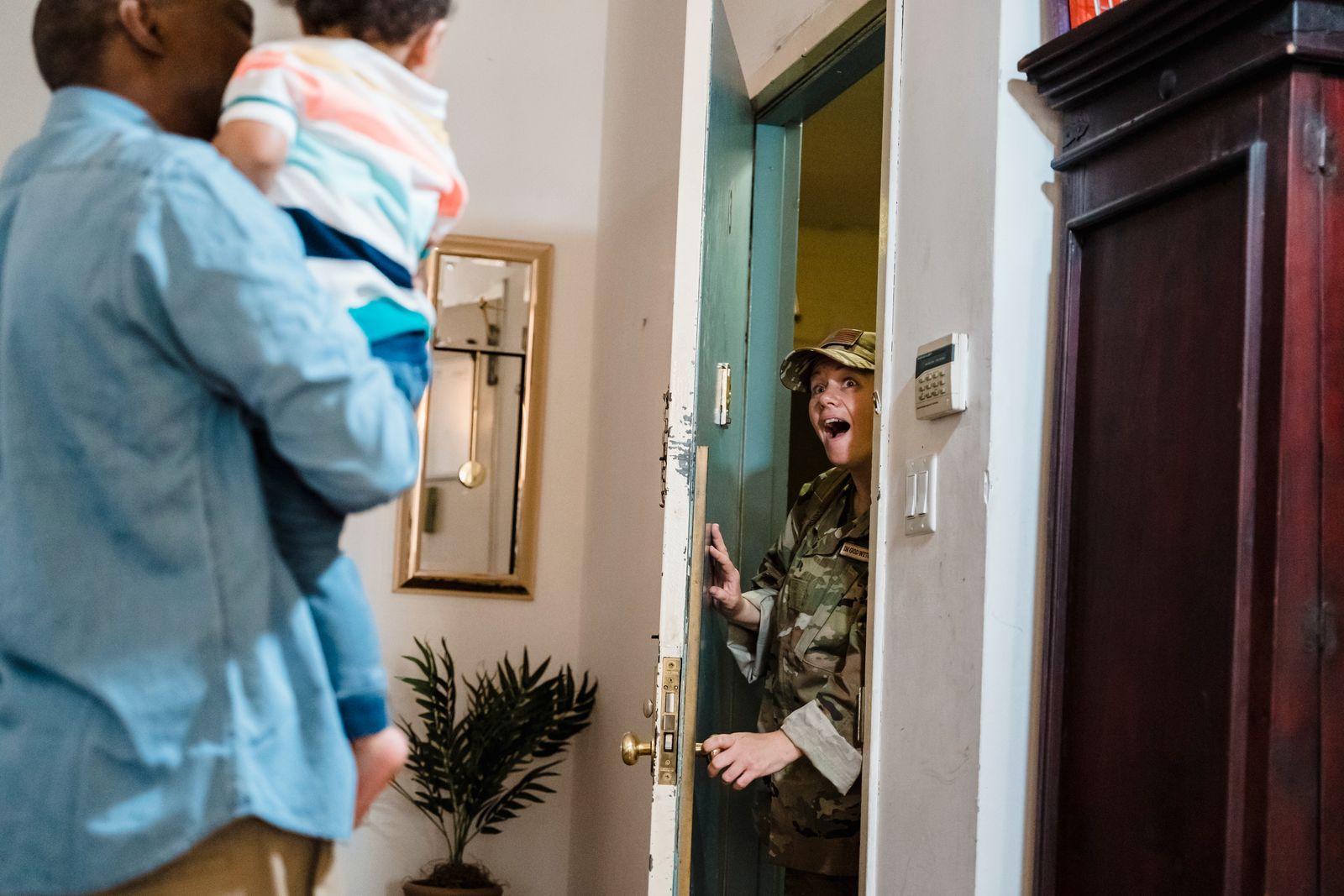
Buyers receiving keys outside their new home
Offer dayLetters are written per property, at the offer price, never at your maximum

Down payment help that actually exists in New Mexico

Four programs we are set up to originate, including one that is tied to the property address rather than to you, which is the sort of thing only a broker tends to find.

  • Statewide first-time buyer down payment loan

    Second mortgage, deferredUp to 4% of the purchase price (sample)

    First-time buyers under the county income limit, buying a principal residence

  • Teacher, first responder and health worker set-aside

    Grant or forgivable secondUp to $8,000 (sample)

    Eligible public service employment plus the standard income test

  • City of Albuquerque workforce housing assistance

    Deferred second mortgageVaries by funding year (sample)

    Income-qualified buyers purchasing within city limits

Assistance amounts shown are sample figures. Program terms, income limits and funding availability change, and eligibility is confirmed in writing before you rely on any of it.

All four programs, with the income tests

A Saturday first-time buyer workshop in a library community room
Free workshopsTwo hours on a Saturday, in English and Spanish, no sales pitch

Four ways to pay for the same rate

Points, credits and buydowns are not discounts. They are a trade between what you pay today and what you pay every month, and the right column depends entirely on how long you keep the loan.

No points, no credit

Par pricing

The rate with nothing bought and nothing sold

The baseline every other column is measured against. You pay your own closing costs and the note rate is whatever the lender's rate sheet gives at zero discount.

Discount points
0.000
Lender credit
$0
Sample note rate
Par
Sample monthly change
Baseline

You expect to keep the loan a long time and you have cash for closing costs.

Illustration only. Rate sheets reprice daily and intraday.

You pay points

Permanent buydown

Buy the rate down for the life of the loan

One discount point is 1% of the loan amount paid at closing. What that buys in rate changes every day and is rarely a clean quarter point, which is why we always show the break-even in months rather than the rate alone.

Discount points
1.000 (sample)
Cost on a $325,000 loan
$3,250 (sample)
Sample monthly saving
$52 (sample)
Sample break-even
63 months

You are certain you will hold the loan past the break-even month.

Illustration only. Your break-even depends on the day's rate sheet.

The lender pays

Lender credit

Take a higher rate and let the lender cover costs

The mirror image of points. You accept a higher note rate and the lender returns a credit at closing that can be applied to non-recurring closing costs and prepaids.

Discount points
-0.750 (sample)
Credit on a $325,000 loan
$2,437 (sample)
Sample monthly increase
$39 (sample)
Best used when
You plan to refinance or move inside five years

Cash to close is tight, or you expect to refinance before the extra interest adds up.

Illustration only. Credit cannot exceed actual closing costs.

The seller pays

Seller-paid 2-1 buydown

Two years of a lower payment, funded by the seller

The seller deposits money into an escrow account that subsidises your payment by two percentage points in year one and one point in year two. You still qualify at the full note rate, which is the part people miss.

Year one payment reduction
2.00% (sample)
Year two payment reduction
1.00% (sample)
Year three onward
Full note rate
Qualified at
The full note rate, always

A motivated seller who will not reduce the price but will contribute to costs.

Illustration only. Seller contribution limits apply by program.

We put these four columns on one page with your actual loan amount in them, then show the break-even in months.

Run the numbers

Six steps, and the first one is a conversation, not a credit pull

This is the whole process. When you have read it, the form underneath starts it, and nothing touches your credit until you tell us to.

  1. 01

    A real conversation first

    Twenty minutes on the phone or in the Menaul office. We ask about income type, timeline and what your payment ceiling actually is, before anybody pulls credit.

    Your part: Nothing to prepare.

  2. 02

    Documents and a soft pull

    You upload to the secure portal from the checklist that matches your employment type. We run a soft pull and tell you which credit actions are worth doing first.

    Your part: Paystubs, returns and two months of statements.

  3. 03

    The panel gets shopped

    The same scenario goes to three to five wholesale lenders on the same morning, because pricing moves daily. You get a written comparison, not a verbal one.

    Your part: Pick the column you like and tell us why.

  4. 04

    Pre-approval you can write offers on

    A full pre-approval that names the lender, the program and your maximum comfortable payment. Your agent gets a direct line to us for listing agent questions.

    Your part: Go and look at houses.

  5. 05

    Under contract to clear-to-close

    Appraisal ordered day one, conditions chased daily, and a written status every Tuesday and Friday whether or not anything changed.

    Your part: Answer condition requests quickly and change nothing financial.

  6. 06

    Closing and afterwards

    We read the Closing Disclosure against the Loan Estimate line by line with you before signing. Afterwards you get an annual review note when rates move enough to matter.

    Your part: Bring photo ID and do not buy furniture first.

Start it here

Three short steps. An originator replies within one business hour during office hours, and you get a written lender comparison the next morning.

Step 1 of 3

What brings you here?

A little about the file

Please choose how you are paid.

Please choose a timeline.

Please choose a range.

A guess is fine, but please pick one.

Where do we send the comparison?

Please enter your name.

Please enter a valid email address.

Please enter a phone number we can reach you on.

Please choose an area.

Demo form. Nothing is transmitted or stored. Rates and figures shown anywhere on this site are samples.

Got it. Here is what happens next.

  1. Within one business hour. An originator calls or texts you, whichever you prefer.
  2. Same day. We send a secure document link with the checklist that matches how you are paid.
  3. Next morning. The same scenario goes to three to five wholesale lenders and you get the comparison in writing.

In a hurry? Call (505) 555-0135 and ask for whoever is not on a closing call.

Would rather just talk?

Call (505) 555-0135 during office hours, or pick a time that suits you. Se habla español.

  • What is the actual difference between a broker and a bank?A bank can only offer you its own products and measure you against its own guidelines. We are an independent brokerage with 24 wholesale lender relationships, so the same file can be measured against 24 sets of guidelines. When one lender's overlay blocks your file, we move it rather than decline you.
  • How do you get paid?Either the lender pays us out of the pricing on your loan, or you pay us directly at closing. Which arrangement applies is disclosed in dollars on your Loan Estimate, and federal rules prevent us from taking both on the same loan. We will tell you which structure we are using before you choose a lender.
  • What credit score do I need?The program floors are 580 for FHA and 620 for conventional, but lender overlays often sit higher than the program floor, and pricing improves at 660, 680, 700, 720 and 740. Our credit readiness page shows what moving one tier is typically worth.
  • Why will you not just tell me your rate?Because a rate without a file behind it is a guess. Your rate depends on credit tier, loan-to-value, occupancy, property type, loan amount and which lender ends up with the file. Send documents in the morning and you will have real numbers from several lenders in the afternoon.

Everything else people ask

Cookie preferences

Choose which cookies you allow. You can change this at any time from the link in the footer.